The post Current Trends in AI Applications within Fitness Coaching Everfit Blog appeared first on Hillock Cleaning.
]]>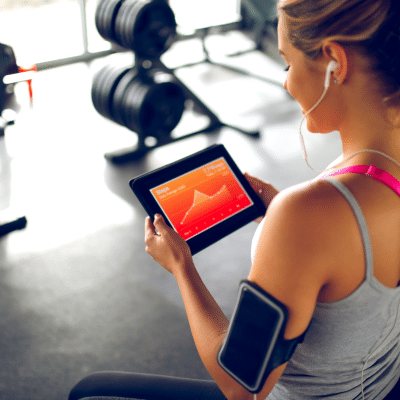
By analyzing a client’s performance data, AI can tailor workout regimes that suit their specific fitness levels and goals. This personalization extends to nutrition as well, with AI-powered apps providing diet plans based on individual health metrics and dietary preferences. The next evolution of AI fitness coaching lies in personalization beyond training — it’s merging fitness, nutrition, sleep, and even stress management into one smart ecosystem. Imagine waking up to an AI assistant that already knows your recovery score, recommends your workout intensity, and adjusts your calorie goals based on yesterday’s performance.
Movement Rebels Launches AI-Powered Performance Coach – Making Personal Training Accessible to Every Fitness Level
- He began his journey with a Nokia Lumia and later dived deep into Android and iPhone.
- You can integrate your Squarespace site with various third-party apps for features like financial tools, shipping, and marketing tools.
- Cosmopolitan participates in various affiliate marketing programs, which means we may get paid commissions on editorially chosen products purchased through our links to retailer sites.
- Powered by advanced technology, it analyses your unique fitness data, goals, and preferences to provide fully customised workout plans tailored just for you.
- Whether you’re a beginner or a fitness enthusiast, these cutting-edge apps are about to change how you approach health and wellness.
- As you do your workouts, the coach will adjust your workout plans based on real-time data and insights in order to help you meet your goals.
In fitness tracking, AI can track your steps, heart rate, sleep, and calories burned. It then turns this information into simple, easy-to-follow tips that help you stay on track mad muscles review with your weight loss or fitness goals. This gives users a personalized and smarter way to reach their health targets without guessing what works best. AI fitness coaching apps analyze your workouts, form, recovery, and even lifestyle (sleep, stress) to personalize training.
Combining AI Recommendations with Personal Trainer Guidance
This keeps you from feeling overwhelmed—and if you’re a beginner trying to lose weight, that’s really important. Starting at the right pace can make all the difference between giving up and sticking with it. Several cutting-edge AI technologies are making waves in the fitness coaching industry.
Consent and Data Sharing Policies
This personalized approach not only boosts your confidence but also maximizes your results. The Nike Training Club is effectively a free AI workout generator app. Many other AI fitness apps offer a free trial or a limited number of free workouts before a subscription is required.
Build Your AI Fitness App with Folio3 Digital Health
Daily check-ins, unlimited support from your coach, adjust plans as needed, reminders, notifications. Workouts are tailored to your equipment, goals, experience, injuries/preferences. You can pick what types of workouts (e.g. HIIT, weight training, cardio, yoga, etc.) and change frequency. Weak in cardio / class-style workouts; strength training is really where it shines, but less variety elsewhere.
Glo (Yoga & Mindfulness: Paid)
Leading platforms adopt privacy-by-design principles, enforcing stricter compliance and limiting data handover to what’s necessary. Whether these measures can be trusted long-term remains up for debate. However, early tools lacked vital personalized insights and deeper guidance, unlike professional coaches or nutritionists. When the novelty wore off, user satisfaction declined due to limited personalization and motivational support. At its Made by Google event on Wednesday, the company announced a new AI-powered personal health coach built with Gemini that’s coming to Fitbit.
Does Squarespace offer AI-powered website building tools?
Ditch the guesswork and get a workout routine that actually adjusts to how you feel every day. The best AI fitness apps are spearheading a shift in how we approach health on a daily basis. This demand for data-driven solutions is fueling the digital fitness market growth, projected to surpass $150 billion by 2029. It learns from your body, using data collected directly from your wearables to dynamically adjust workout intensity and focus, whether your goal is strength building or weight loss. The top-rated platforms generate custom, high-intensity workouts perfect for your busy schedule. AI fitness apps are like having a smart coach in your pocket—they can check your form, adjust your workouts, and track your progress in real time.
GymStreak
AI-driven fitness coaches provide customized workout and nutrition plans based on your goals, preferences, and fitness level. Unlike traditional programs, these coaches analyze data in real-time, adapting your plan as you progress. This adaptability ensures you stay motivated and engaged, making it easier to achieve your fitness goals. The health and fitness industry is on the route toward massive transformation, all thanks to AI advancements. Now is the right time to partner with Folio3 Digital Health and leverage our fitness app development services to get your customized fitness app up and running. Some AI fitness apps go beyond workouts to help with eating and recovery.
Coaches must navigate these moral intricacies to uphold the highest standards of ethics and integrity in their profession. To overcome this challenge, coaches must evaluate their businesses, identify strengths, and pinpoint areas where AI can offer leverage. Seek assistance and guidance on how to efficiently integrate AI tools into your practice as the technology evolves. The goal is to avoid wasting time, as AI in fitness aims to enhance efficiency, not hinder it.
How to Choose the Best AI Fitness App for Your Needs?
Nutrition advice + macro tracking adds a holistic touch beyond just workouts. Logs for sets / reps / weights / body stats, a calendar of workouts, charts and reports (especially in the paid version). Nutrition coaching is done by certified coaches, not registered dietitians—so guidance is good, but not always specialized or medical. Videos for exercises; you can record your own performance and send to coach for critique.
Gym App For Women: Best Workout Apps for Weight Loss 2026
Looking towards the future, the role of AI in fitness coaching is poised for further expansion and innovation. As AI technology continues to advance, we can anticipate even more sophisticated applications emerging in the fitness realm. This includes the potential development of AI systems capable of predicting and preventing injuries by analyzing workout patterns and physical responses.
The post Current Trends in AI Applications within Fitness Coaching Everfit Blog appeared first on Hillock Cleaning.
]]>